Why Your AC Is Leaking Water and When to Call for Repair in Phoenix

Is your AC leaking water? In Arizona’s hot, dry climate, your air conditioner works overtime to keep your home cool. Part of that process naturally creates condensation, but if that moisture ends up inside your home instead of draining outside, you have an AC leak. Left unchecked, leaks can lead to water damage, mold growth, and costly repairs.

During summer heat waves in Mesa, Phoenix, and the East Valley, your AC often runs for hours without a break. This constant operation can make small problems, such as a clogged drain line or slightly frozen coil, develop into major leaks faster than many homeowners expect. Acting quickly is the best way to protect your home and your comfort.

Common Reasons Your AC Is Leaking Water

Several common issues can cause your AC to leak. Identifying the source is the first step to a lasting repair or figuring out if you need a full AC replacement.

Clogged Condensate Drain Line

The condensate drain line carries water away from your system. In Arizona, dust and debris can mix with condensation and form clogs. Symptoms include water pooling around your indoor unit, musty odors, or mold near the drain line. Clearing the line can restore proper drainage, but if ignored, the backup can overflow into ceilings, walls, and flooring. If your ac is leaking water, contact our team today for fast-reliable solutions.

Frozen Evaporator Coils

When the evaporator coils freeze, they eventually thaw and release excess water, sometimes faster than the drain system can handle. Causes include restricted airflow, dirty filters, or low refrigerant. Continued operation with frozen coils can damage your compressor, and in our climate, the thaw can create more water than expected, leading to sudden puddles indoors.

Damaged or Rusted Drain Pan

Older systems or those exposed to moisture for long periods may have a rusted or cracked drain pan. This causes water to escape before it reaches the drain line. It is common in units over 10 years old or systems in high-humidity spaces, and over time, the damage can spread, requiring pan replacement or a new air handler.

Learn more: Common AC Sounds You Should Not Ignore From Your AC

Low Refrigerant Causing Coil Freeze

Low refrigerant can cause the temperature of your coils to drop too much, leading to ice formation and melting leaks. Signs include hissing sounds, reduced cooling power, and higher energy bills. Left untreated, this can cause severe system strain and shorten your AC’s lifespan.

Improper Installation or Leveling Issues

If your AC is not level, water may pool inside instead of draining correctly. This is often seen after recent installations or relocations. Over time, pooling water can cause corrosion inside the unit and encourage algae growth in the drain pan.

Is It Safe to Run an AC That’s Leaking Water?

Running a leaking AC can cause water damage to floors, walls, ceilings, mold and mildew growth inside your home, and electrical hazards if water reaches wiring or controls. Even though Arizona is dry, moisture from an AC leak can still collect in ductwork, insulation, or wall cavities, creating hidden mold risks. If you see water pooling around your system or notice a steady drip, it is best to turn it off and call for service. Continued use can make the problem worse and increase repair costs.

Learn more: Signs You Need a Water Line Repair or Replacement Right Away

DIY Fixes You Can Try First

Before you call for professional AC leaking repair, you can check a few simple things. Always turn off the power to your system before inspecting. Check and replace your air filter, as dirty filters restrict airflow and can cause coils to freeze. Inspect the condensate drain line and use a wet/dry vacuum at the exterior drain line to remove clogs.

Look for ice on the coils; if frozen, turn off the AC and run the fan to help thaw them before restarting. Make sure the unit is level using a carpenter’s level and adjust slightly if it is tilted. You can also check for algae buildup in the drain line and flush it with a vinegar solution to help prevent blockages. These steps can sometimes resolve minor issues, but if the leak continues, you will need professional help. Make sure to also check out our AC troubleshooting guide.

When to Call Wolfgang’s Cooling, Heating, & Plumbing

Some AC leaks are more than a quick fix. Call Wolfgang’s if you notice persistent leaks even after clearing the drain line, electrical issues or tripped breakers near the unit, signs of refrigerant loss such as warm air, hissing, frozen coils, or water damage or mold around your air handler. We offer prompt AC repair in Mesa, Phoenix, and across the East Valley. Our technicians arrive with the tools and parts to diagnose and repair leaks quickly, helping you avoid extended downtime during Arizona’s hottest months. We also provide same-day service availability during peak summer season so you can restore comfort before your home heats up.

For ongoing reliability, consider scheduling AC maintenance each spring. Our comprehensive tune-ups catch issues like clogged drain lines before they cause leaks, giving you peace of mind heading into triple-digit weather.

Don’t Wait to Fix an AC Leak

Arizona summers push your cooling system to its limits. A small leak can quickly turn into a major repair if ignored. Whether you need urgent AC repair, routine maintenance, or even emergency service, Wolfgang’s is here to help. When your AC is leaking water, call Wolfgang’s Cooling, Heating, & Plumbing today for fast AC repair in Mesa, Scottsdale, Phoenix, and the East Valley. We will restore your comfort and protect your home from further damage.
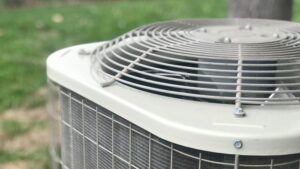

Common AC Problems Every Homeowner Should Know (And When to Call a Pro)

Common AC problems in Phoenix can quickly turn into major headaches when summer temperatures soar. A working air conditioner is a requirement in the Valley, and extreme heat pushes cooling systems to their limits. When something goes wrong, the effects are immediate.

Understanding what’s happening inside your AC and knowing when it’s time to get help can make the difference between a simple fix and a costly breakdown. In this guide, you’ll learn which common AC problems Phoenix homeowners face, what you can check yourself, and when it’s best to call a professional.

Weak Airflow or No Cool Air

If your AC is running but your home still feels warm or stuffy, airflow may be the issue. These are the most common causes:

In Phoenix’s desert heat, even mild airflow problems can quickly make your home uncomfortable. They also signal that your system may be working harder than it should, which can lead to bigger issues if left unchecked.

Learn more: AC Unit Not Blowing Cold Air? Here’s What Might Be Wrong

Odd Noises and Unusual Smells

Air conditioners make some noise, but new or strange sounds are often signs of a deeper problem:

Unusual smells also deserve attention:

If you notice persistent noises or odors, it’s a good idea to turn off your system and schedule a diagnostic.

Learn more: How To Stay Cool When Your AC Is Broken

AC Turning On and Off Frequently

One of the common AC problems Phoenix homeowners face is short cycling, where the air conditioner starts and stops more often than normal. This constant cycling puts strain on your system and reduces efficiency. Typical causes include:

In a climate where ACs run for long hours, short cycling adds unnecessary wear and can shorten the life of your equipment.

Learn more: Finding a Reputable HVAC Company in Phoenix, Arizona

Rising Energy Bills Without a Clear Reason

If your cooling costs spike but your usage hasn’t changed, your system may be losing efficiency. Some typical reasons include:

Higher energy use often means your AC is struggling to keep up. That affects both comfort and cost.

Learn more: Benefits of a Ductless HVAC System

DIY Troubleshooting: What You Can Check

AC preventative maintenance

Before calling in a technician, there are a few quick checks you can make:

These basic steps can often resolve minor issues, but if you’re still experiencing any of these common AC problems, it’s time to call in a professional.

Why Regular HVAC Maintenance Makes a Difference

airconditionerfail

Phoenix’s dry, dusty climate creates unique challenges for HVAC systems. Air conditioners run hard for months, and even minor buildup can affect performance. That’s why seasonal maintenance is so valuable.

Benefits of regular ac tune-ups include:

If it’s been a while since your last service, Wolfgang’s offers professional AC maintenance to keep your system running reliably all season long.

Frequently Asked Questions About AC Problems in Phoenix

Q: Why is my AC running but not cooling the house?
It could be a clogged air filter, low refrigerant, or a problem with the blower motor or condenser. If basic checks don’t solve it, it’s time to call a technician.

Q: How often should I replace my AC filter in Phoenix?
In dusty desert climates, it’s smart to check your filter monthly and replace it every 1-2 months during peak season.

Q: Is it normal for my AC to run all day in the summer?
Yes, during extreme heat, your system may run longer than usual. But if it never reaches your set temperature, that’s a sign something’s off.

Q: What does it mean if my AC is short cycling?
Short cycling (turning on and off quickly) could be caused by a dirty coil, low refrigerant, or an oversized unit. It should be checked by a pro.

Q: Can I prevent AC breakdowns with maintenance?
Yes. Regular seasonal tune-ups can catch issues early, improve efficiency, and help your system last longer especially in high-use areas like Phoenix.

DIY Stops Here: When It’s Time to Call for AC Help

common ac issues in phoenix hire wolfgangs

Some common AC problems can’t wait. Call a professional if you notice any of the following:

Wolfgang’s Cooling & Heating provides expert AC replacement or repair services in Phoenix. Our experienced technicians are familiar with the demands of desert systems and can quickly identify and fix whatever’s wrong so your home stays cool and comfortable.

Contact Wolfgang’s today to schedule a system check, tune-up, or repair before the summer heat takes a toll.

How To Stay Cool When Your AC Is Broken

Knowing how to stay cool when your AC is broken is more than just a matter of comfort in Phoenix, it’s a matter of safety. Without air conditioning, indoor temperatures can rise quickly, leading to potential health risks like dehydration or heat exhaustion. To help you stay safe while waiting for AC repairs, the HVAC professionals at Wolfgang’s Cooling, Heating & Plumbing have compiled a list of effective strategies to help you manage the heat and stay comfortable until your system is restored.

Keep the Sun Out

Natural light may brighten your home, but when your AC is down, sunlight can quickly transform your space into an oven. One of the most important steps in learning how to stay cool when your AC is broken is keeping sunlight out. Close blinds, curtains, or shades during the hottest hours of the day, typically between noon and 5 p.m. to block heat from entering your home.

For even better insulation, consider:

While it may seem counterintuitive, avoid opening your windows during the day. Keeping them closed helps prevent hot air from entering your home. Once temperatures drop in the evening, you can open them to let cooler air circulate.

Use Fans Wisely

When your air conditioner isn’t working, fans become your primary cooling tool. Set your ceiling fans to rotate counterclockwise, which pushes cooler air down and helps your skin feel cooler through evaporation. Not sure how to adjust your fan? Look for a small switch on the fan’s motor or consult the manufacturer’s guide.

You can also place portable fans strategically throughout your home to maximize airflow. Point box fans toward windows in the evening to help push hot air out, while using others to circulate cooler night air inside.

Create Cross Ventilation at Night

After sunset, outside temperatures often drop significantly. Take advantage of this by creating cross ventilation:

This natural method is one of the most effective nighttime strategies when learning how to stay cool when your AC is broken, especially in Arizona’s dry desert climate.

DIY Air Conditioning Tricks

While nothing replaces real air conditioning, a simple DIY method can provide temporary relief:

This method won’t lower the overall temperature of your home but can help cool down specific areas like bedrooms or living rooms when you’re desperate for relief. With Wolfgang's, you get peace of mind.

Cool Off with Cold Towels

When the heat feels overwhelming, cooling your body directly can help. Dampen towels with cold water and drape them around your neck, wrists, or forehead. You can also store damp towels in the freezer for 15-30 minutes for an even colder experience.

Keeping a rotation of cold towels handy is a simple yet effective way to lower your body temperature during the hottest parts of the day.

Learn more: 3 Simple Tips to Keep Your House Cooler in the Summer

Avoid Using Heat-Generating Appliances

Cooking on the stove or using your oven adds unnecessary heat to your home. Avoid baking, roasting, or boiling water during the day. Instead:

Even electronics like computers, TVs, and gaming systems emit heat. Limit usage to keep your home’s temperature as low as possible.

Stay Hydrated and Dress for the Heat

Your body’s natural cooling system, sweating, relies on proper hydration. Drink plenty of water throughout the day to help your body regulate its internal temperature more efficiently.

Additionally, wear light, breathable clothing. Fabrics like cotton or linen are ideal. Loose-fitting clothes allow better air circulation, keeping you cooler longer.

Stay Cool While You Wait for Repairs

While these strategies provide temporary relief, the best solution is professional AC repair. At Wolfgang’s Cooling, Heating & Plumbing, we understand how critical a working air conditioner is in Phoenix’s extreme climate. Our experienced technicians offer fast, reliable service to restore your home’s comfort as quickly as possible.

If you're struggling with how to stay cool when your AC is broken, or you need emergency air conditioning service, contact our team today. We’ve been helping Phoenix-area homeowners stay safe and cool since 1982, and we’re ready to help you too.

Benefits of a Ductless HVAC System

Have you ever considered installing a ductless HVAC system? Also known as a ductless mini split system, a ductless HVAC system does not require ductwork to function. There are many reasons these systems are growing in popularity. Read on to learn more about the benefits of ductless air conditioning systems.

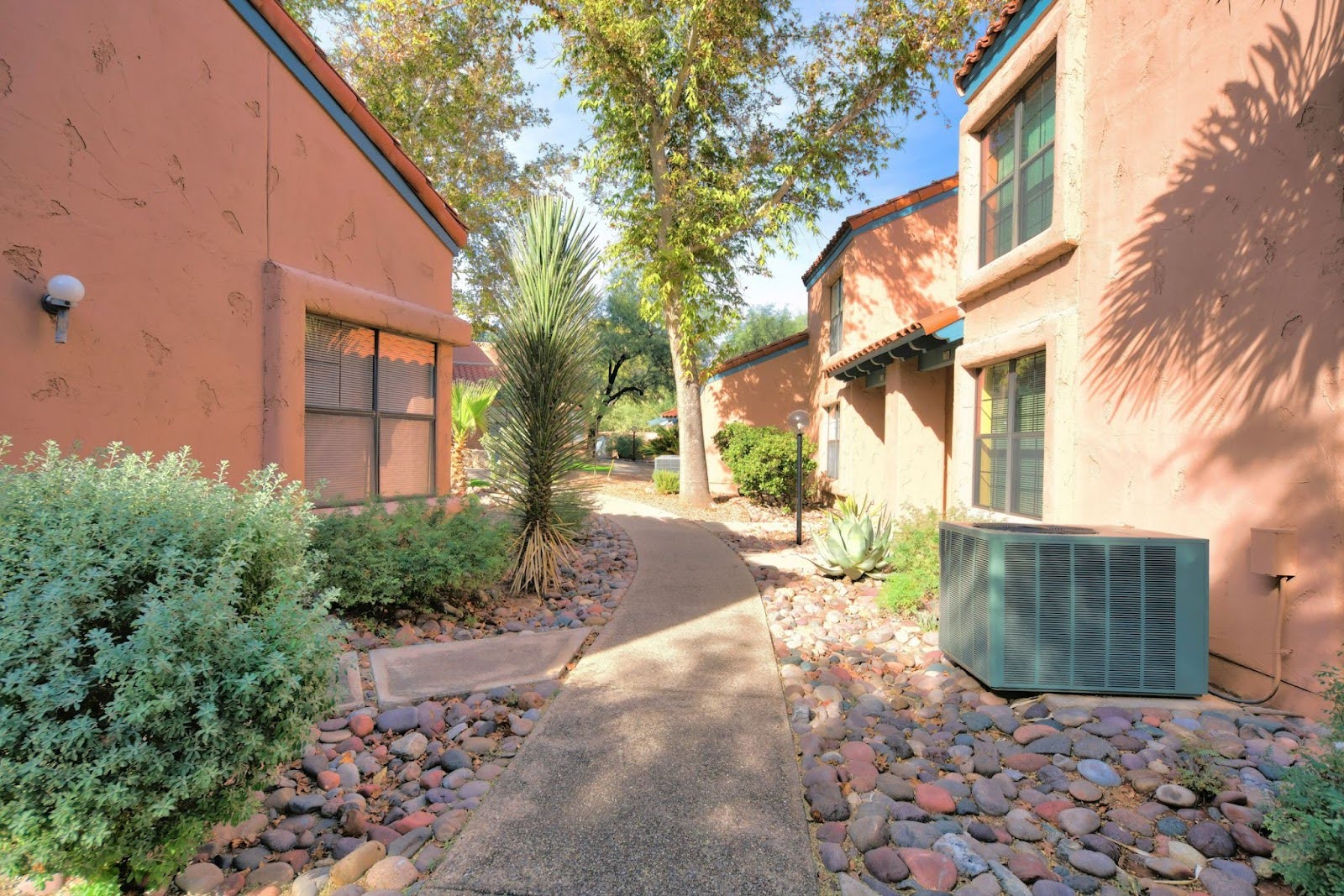
Narrow curved concrete path in the middle of houses in Arizona

Improves Energy Efficiency

Ductless HVAC units are highly efficient, able to heat and cool homes at a fraction of the cost of traditional systems. According to the Department of Energy, Energy Star certified ductless units use 60% less energy than conventional electric heating systems. Another advantage of ductless AC is that you can turn it off in unoccupied rooms, leading to further savings.

Improves Indoor Air Quality

Air ducts collect contaminants such as dust, dirt, mold and pet dander, all of which can negatively affect your indoor air quality. This is not something you have to worry about with a mini split air conditioner. Ductless systems operate without the use of ductwork, letting you enjoy a cleaner home, free from contaminants and germs.

Learn more: 3 Perfect Rooms For A Ductless System

Smaller and More Discreet

A ductless AC system is easier to install than a traditional HVAC unit. You also have a lot of flexibility when it comes to placement. Most people find mini split units to be more aesthetically pleasing than traditional cooling systems. Homeowners who want an even more discreet unit should consider a hidden ductless mini split, which is concealed within a wall, ceiling, attic, or crawl space.

Personalized Comfort

Having more control over your comfort is one of the biggest benefits of going ductless. Ductless HVAC operates through indoor single-room wall-mounted units that allow you to heat or cool specific areas of your house without having to heat or cool the entire home. This allows you to adjust the temperature in each individual room, ensuring total comfort for everyone in the household.

Temperature Control in Tricky Rooms and Harsh Climates

Ductless systems are ideal solutions for older homes, additions, and hobby spaces. Frequently working in the garage? A ductless unit can make this much more hospitable.

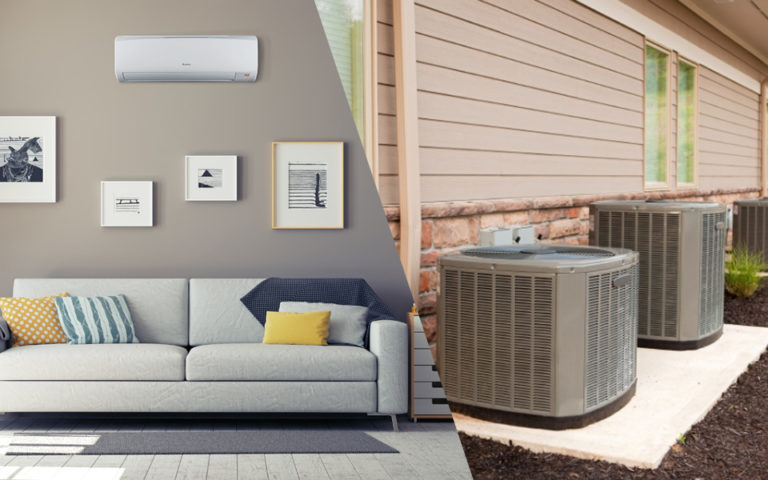
In Arizona’s harsh climate, a central air conditioning system is often not enough to cool an entire home on its own. Consider supporting your central cooling system with a ductless mini split system and say goodbye to pockets of heat and hello to consistent cooling.

Learn More About Ductless Air Conditioning

If you're ready to find out more about ductless mini splits, the HVAC professionals at Wolfgangs Cooling, Heating & Plumbing are ready to assist you. We can let you know the specific ways in which you might benefit from having a ductless air conditioning system installed.

What is a SEER Rating? AC Efficiency Guide

Understanding SEER ratings is crucial when shopping for a new air conditioner. This guide aims to answer the following questions:

Let's dive into everything you need to know about SEER ratings so you can make an informed purchase. 

SEER Rating Explained

SEER stands for Seasonal Energy Efficiency Ratio. It measures an air conditioner's cooling output over a typical season, divided by the energy consumed in watt-hours. Think of SEER as the MPG (miles per gallon) for your air conditioner. Just as a car with higher MPG uses less fuel to travel the same distance, an AC with a higher SEER rating uses less energy to cool your home.

Remember: SEER represents the unit's maximum efficiency under optimal conditions, similar to a car's best highway MPG.

What is a Good SEER Rating?

When it comes to SEER ratings, higher numbers indicate better efficiency:

In Arizona's hot climate, investing in an AC with a higher SEER rating can lead to significant energy savings. However, the "best" rating for you depends on factors like your budget, home size, and cooling needs.

How to Find Your AC's SEER Rating

If you're considering an upgrade, here's how to find your current AC's SEER rating:

  1. Check the yellow EnergyGuide sticker on your outdoor unit.
  2. Look for a paper label on the indoor air handler unit.
  3. Check the model number (e.g., "XV20i" might represent up to 20 SEER).
  4. Contact the manufacturer with your model and serial number.

Why SEER Ratings Matter

Understanding AC SEER ratings is crucial for several reasons:

  1. Energy Savings: Higher SEER-rated units consume less electricity, saving you money on your energy bills. 
  2. Comfort: High-SEER units often have advanced features for better temperature and humidity control.
  3. Rebates and Incentives: Many utility companies offer rebates for installing high-SEER AC units.
  4. Environmental Impact: More efficient ACs reduce your carbon footprint and often use more environmentally friendly refrigerants.

SEER Ratings and Your Energy Bills

While higher SEER ratings generally lead to energy savings, the exact amount can vary widely based on factors such as:

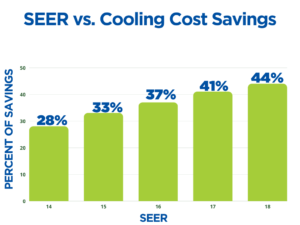
The U.S. Department of Energy estimates that upgrading from a 9 SEER to a 14 SEER unit can reduce cooling costs by more than 35%. Further upgrades to higher SEER ratings can provide additional savings, but the incremental benefit decreases as SEER increases.

To get a more accurate estimate of potential savings for your specific situation, it's best to consult with a professional HVAC technician who can assess your home and current system. Learn more about our industry-leading heating and cooling products for your Phoenix home to enhance comfort in your space.

SEER Rating FAQ

Can I just replace my old AC with the highest SEER-rated unit available? 

You must choose an AC that's properly sized for your home. Even with a high SEER rating, an oversized unit can lead to inefficient cooling and higher energy bills.

How much can I save with a higher SEER-rated AC?

Savings vary based on your current AC's efficiency, local energy costs, and climate. A professional assessment will provide a more accurate estimate for your specific situation.

Are there minimum SEER requirements for new AC installations?

Yes. The minimum SEER rating for new AC installations in Arizona is 15.

Does SEER rating affect AC performance in extreme heat?

Units with higher SEER ratings often perform better in extreme heat due to advanced technologies like variable-speed compressors.

Trust Wolfgangs for Your AC Needs

At Wolfgangs Cooling, Heating & Plumbing, we're committed to helping Arizona residents find the perfect balance between efficiency and cost. Our experts can assess your home's needs and install an AC system with the ideal SEER rating.

Ready to upgrade to a more efficient AC system? Call us at 928-766-0872. Let us help you beat the Arizona heat while keeping your energy bills low.

How You Can Improve Your Home's Value by Installing a New HVAC System


If you're looking for ways to increase your home's value with a new HVAC system, one of the best investments you can make is to install a new HVAC system. Not only will a new HVAC system increase the comfort level of your home, but it can also be a great asset when it comes to increasing the overall value of your home. In this blog post, we'll discuss how you can improve your home's value by installing a new HVAC system and why this is an important investment for your home.

They're A Smart Investment

Installing a new HVAC system can be a smart investment that can add a lot of value to your home. It's a major upgrade that will help reduce energy costs and make your home more comfortable. And while it can be a sizable expense, it's one that will pay off in the long run. A high-efficiency HVAC system can be up to 50% more efficient than a standard unit, and some systems offer even more savings. Not only will you save money on monthly energy bills, but you can also get tax credits for installing an energy-efficient system.

For those who plan to stay in their homes for several years, installing a new HVAC system is a great way to improve the comfort of your home and increase its value over time. If you’re wondering how to increase home value with a new HVAC system, energy efficiency improvements are one of the most effective approaches. The improved energy efficiency can also make your home more attractive to potential buyers. In fact, some studies have shown that homes with efficient HVAC systems can fetch higher sale prices.

Choosing The Right Size Boosts Value

When it comes to installing a new HVAC system, the size of the unit is incredibly important. A system that is too small will be unable to keep your home comfortable and efficient, while a system that is too large can end up costing you more in energy costs. Finding the right size unit for your home requires proper sizing calculations, so it’s best to consult a professional who can provide you with an accurate recommendation.

Attractive Lower Monthly Utility Bills

When you upgrade to a new HVAC system, you'll be able to enjoy attractive lower monthly utility bills. Most modern systems come with energy-efficient features that help reduce the amount of energy used in your home. This means you won't have to use as much energy to cool and heat your home, and this leads to lower utility bills. Furthermore, since a new HVAC system requires less maintenance than an older model, you won't have to worry about paying for expensive repairs or replacements. That translates into long-term savings that can help offset the upfront cost of installation. Upgrading to a new HVAC system is an investment that not only helps increase your home's value but also provides more comfortable living conditions and lower monthly utility bills.

Additional Upgrades That Provide More Value

When it comes to improving the value of your home, certain HVAC upgrades and add-ons can be particularly beneficial. Here are some specific upgrades to consider when looking to increase your home's value:

1. High-efficiency air conditioners - Installing a high-efficiency air conditioner is one of the most effective ways to boost your home’s value and save on energy bills. High-efficiency models use up to 50% less electricity than older units, so they’re a smart investment.
2. Smart thermostats - Smart thermostats are a great way to improve comfort in your home and make it easier to manage temperatures. Not only that, but they can also help reduce energy costs by automatically adjusting settings based on usage.
3. Zoning systems - Zoning systems allow you to control temperatures in different parts of your home separately. This can be helpful for keeping certain areas more comfortable while reducing energy costs in other parts of the house.
4. Humidifiers - Humidifiers can help reduce dryness and improve air quality in your home. This can be beneficial for both your family's health and your home's value.

Installing a new HVAC system is an excellent way to increase the value of your home. Not only do you get the benefits of having a more efficient system, but you’ll also enjoy a more comfortable environment and lower monthly utility bills. Plus, you’ll be able to take advantage of additional upgrades that can provide even more value to your home. Investing in a new HVAC system is an investment in your home’s future and it's worth every penny. Ready to get started on installing your new HVAC System? Contact Wolfgangs today!

What You Need to Know About New HVAC System Cost in Arizona

If you live in Arizona, you know just how extreme the temperatures can get, from scorching summer highs to chilly desert nights. To stay comfortable year-round, having an efficient and reliable HVAC system is non-negotiable. But when it comes time to install a new one, you’re probably wondering: what’s the actual new HVAC system cost in Arizona?

In this guide, we’ll walk through average pricing, cost variables, efficiency standards, and what you need to consider before investing. By the end, you’ll be equipped to make an informed decision that fits your comfort needs, and your budget.

Understanding Efficiency Standards in Arizona

When shopping for a new HVAC system, efficiency should be a top priority. Arizona requires all new systems to meet a minimum SEER rating of 15 (Seasonal Energy Efficiency Ratio). This is especially important in a climate that puts HVAC systems to the test nearly year-round.

Additionally, many units must be ENERGY STAR® certified to qualify for federal tax credits, local utility rebates, and other incentives. Investing in an energy-efficient system might cost more upfront, but it typically reduces long-term utility expenses.

A knowledgeable HVAC contractor should help you choose a system that not only meets Arizona’s codes but also helps you capitalize on available incentives, ultimately helping reduce your total HVAC system cost over time.

Average New HVAC System Cost in Arizona

While exact pricing depends on your home and preferences, the average cost of a new HVAC system in Arizona ranges from $3,000 to $7,000. This includes both the air conditioning and heating components of a split system, which is the most common setup in the region.

Here’s a general breakdown of what influences pricing:

Homes with more square footage will require more powerful units, which naturally increases the cost. Similarly, advanced features like smart thermostats, variable-speed motors, and zoning capabilities will raise the price but improve long-term performance and comfort.

Key Factors That Impact Your HVAC Installation Cost

1. System Size

HVAC systems are not one-size-fits-all. Your contractor will perform a load calculation to determine the appropriate tonnage based on your home’s square footage, insulation, windows, and other variables. An undersized system may cost less initially but will under-perform and wear out faster. Conversely, an oversized unit can short-cycle, wasting energy and reducing comfort.

2. Type of System

There are several types of HVAC systems to choose from:

Each type has a different upfront cost and long-term maintenance profile that affects your total HVAC system cost.

3. Installation Complexity

Installation costs can vary widely depending on whether:

Quality installation is key, cutting corners may lower initial costs but often leads to inefficiency, discomfort, or repairs down the road.

4. Labor Rates and Permits

Licensed HVAC contractors charge based on experience, licensing, and demand in your area. Permits may be required by your local jurisdiction and will be included in the final quote.

Why the Right HVAC Contractor Matters

Finding a licensed, experienced contractor is crucial. An improperly installed unit can reduce efficiency by up to 30%, leading to higher utility bills and a shortened system lifespan.

A good contractor will:

At Wolfgangs, we pride ourselves on delivering high-quality HVAC installations that meet Arizona’s climate demands and efficiency codes.

The Long-Term Value of Investing in a New HVAC System

Although the new HVAC system cost may feel steep, consider it an investment in comfort, air quality, energy efficiency, and property value. With proper maintenance and a high-efficiency unit, most systems can last 15 to 20 years and pay for themselves over time through lower energy bills and fewer repairs.

Plus, installing a new system ahead of extreme weather seasons ensures you’re never left scrambling when your old unit breaks down.

Ready to Upgrade Your HVAC System? Contact Wolfgangs Today!

At Wolfgangs Cooling, Heating & Plumbing, we’re here to guide you through every step, from helping you compare system types to ensuring a smooth, code-compliant installation. We’ve been serving Arizona homeowners with trusted HVAC services for over 20 years.

Contact us today to schedule a consultation or get a quote tailored to your home and needs. Let’s make your home more comfortable, efficient, and future-ready.

How Do The New HVAC Requirements Affect Arizona Homeowners?

Did you know The Department of Energy (DOE) has passed new HVAC requirements that went into effect on January 1, 2023? Make sure you are aware of these new regulations, especially if you're thinking of replacing your HVAC system. All new systems installed after January 1, 2023, must comply with stricter guidelines for energy efficiency, testing, and certifications. So, you may be thinking: how does this impact me? Let our team explain below.

Why Are These HVAC Requirements Changing?

Every six years, The Department of Energy updates its HVAC requirements in an effort to reduce energy consumption in the United States. These updates ensure each system is current and efficient for homeowners. Each region of the U.S. has specific standards it must follow, and Arizona is no exception. Being aware of these changes ensures you're making informed choices, especially if you're planning a system upgrade.

What Are the New HVAC Requirements in 2023?

These updated HVAC requirements took effect on January 1, 2023. All HVAC systems installed after this date must have a SEER rating of at least 15. Currently, the minimum required SEER rating is 14. This means you’ll likely pay more upfront for a new system beginning in 2023. However, the trade-off is significant: higher efficiency, reduced energy bills, and a longer-lasting HVAC system.

Though the initial investment may be greater, the long-term savings and improved performance make the new systems a smart investment.

Do I Need to Update My Current System to Meet HVAC Requirements?

No, you do not. Existing systems that were installed prior to 2023 are grandfathered in and do not need to meet the new HVAC requirements. However, any new system purchased and installed after the effective date must comply with the updated SEER guidelines.

If you're already considering replacing your HVAC system, doing so before or shortly after the changes can help you avoid the immediate price increase associated with newer, more efficient models.

How Wolfgang’s Can Help You Navigate HVAC Requirements

Our team at Wolfgang’s Cooling, Heating & Plumbing is ready to guide you through these updated HVAC requirements. We offer a wide range of systems that comply with the latest standards and fit the unique climate and energy needs of Arizona homes.

If you're planning to purchase a new system, now is a great time to do so. We can help you:

Have Questions? Contact Wolfgang’s Today!

If you’re unsure about how the new HVAC requirements affect your home or HVAC upgrade plans, we’re here to help. Wolfgang’s Cooling, Heating & Plumbing has been serving Arizona homeowners since 1982, delivering expert service and trusted advice.

Ready to upgrade your system or need answers from an HVAC pro? Contact us today to schedule a consultation and make sure your home is ready for the future of energy efficiency.

Benefits of a Ductless HVAC System For Your Arizona Home

Have you ever considered installing a Ductless HVAC System in your home? Also known as a mini-split system, a ductless HVAC system offers a modern alternative to traditional forced-air systems by eliminating the need for ductwork. As energy efficiency and indoor air quality become higher priorities for homeowners in Arizona, more people are realizing the many advantages of a Ductless HVAC System. From cost savings to cleaner air, here are the top reasons why this option may be the best fit for your home.

1. Saves You Money

A key benefit of a Ductless HVAC System is its ability to lower monthly energy bills. Ductless systems are designed to operate more efficiently than traditional HVAC systems, and they use less energy to deliver the same (or even better) results.

According to the U.S. Department of Energy, Energy Star certified mini-split units use up to 60% less energy than conventional electric heating systems. That’s a significant reduction in energy use, translating to noticeable savings on your utility bills.

Additionally, you can install ductless units only in the areas of your home that need cooling or heating the most, avoiding energy waste in unused rooms.

2. Improves Indoor Air Quality

Your air ducts collect dust, debris, mold, and pet dander over time, especially if they’re not regularly cleaned. That buildup is then circulated through your home whenever the HVAC system runs.

One of the major advantages of a Ductless HVAC System is that it bypasses ductwork altogether. Without ducts, there’s no opportunity for allergens and pollutants to collect and recirculate, which helps improve your indoor air quality. Most ductless systems also come with advanced multi-stage filtration features, giving you even cleaner, fresher air throughout your home.

3. Takes Up Less Room

Ductless HVAC systems are compact and flexible in terms of placement. Instead of taking up closet space or requiring large vents and duct chases, mini-split units can be mounted high on walls, suspended from ceilings, or even recessed for a more discreet appearance.

This is a big benefit of ductless HVAC systems for smaller homes, apartments, and older properties where space is at a premium, or where installing new duct-work would be too invasive or expensive. The sleek, modern design of ductless units helps them blend in with your interior, preserving your home’s aesthetics.

4. Gives You More Control Over Comfort

Tired of the family thermostat wars? Another significant advantage of ductless HVAC systems is the ability to create “zoned” comfort. Each indoor unit operates independently, allowing you to heat or cool specific rooms to your preference without affecting the rest of the house.

This means each family member can set the temperature to their liking in their own space. Zoning also helps reduce energy waste by conditioning only the areas that are in use.

5. Increases Energy Efficiency

Energy efficiency is one of the main reasons homeowners are switching to ductless systems. Traditional systems often lose energy through leaky ductwork up to 30% of airflow can be lost in ducts alone.

Ductless HVAC systems don’t have this problem. They also utilize inverter-driven compressors that adjust the speed of the unit in real-time based on demand, rather than cycling on and off like older systems. This constant modulation keeps your home at a consistent temperature while using less energy.

6. Quick and Easy Installation

Installing a traditional HVAC system with ductwork can take several days or even weeks, depending on your home’s layout. In contrast, ductless HVAC systems can be installed quickly sometimes in as little as one day since they require only a small hole to connect the indoor and outdoor units.

This is a benefit of ductless HVAC systems that makes them a convenient solution for new additions, detached garages, renovated attics, or any area of the home without existing ductwork.

7. Reduces Maintenance Needs

Ductless HVAC systems are known for their low-maintenance design. While regular cleaning and filter replacements are still necessary, the absence of ductwork eliminates the need for duct cleaning and maintenance. Most homeowners find that their ductless HVAC system requires fewer service calls and lasts longer than traditional systems when properly maintained.

Ready to Reap the Benefits of a Ductless HVAC System?

If you're ready to explore whether a ductless HVAC system is right for your home, the experts at Wolfgangs Cooling, Heating & Plumbing are here to help. We've been providing top-tier HVAC solutions in Tempe, AZ and surrounding areas since 1982.

From initial consultation to installation, we’re committed to helping you maximize your comfort and energy savings. Contact us today to schedule your free estimate and find out more about the many benefits of a Ductless HVAC System.

Your Top 3 Questions About Ductless Answered

No more fighting over the thermostat! When it comes to ductless units, customization is key. These systems can be controlled room by room, allowing you to choose the temperature of your individual room while leaving an opportunity for maximum efficiency. This and more popular questions, when it comes to ductless, are finally answered!

How do ductless systems operate?

Units are installed in different rooms throughout your home, meaning you’re able to set the temperatures independently of each other. This is great for homes because sometimes you’ll find that not all rooms are in need of being cooled, especially when you’re not using them. You’ll have the freedom to turn off an entire room’s unit for as short or long of a time, unlike central air conditioning units, which only function at 100% or 0% capacity. Even more, ductless mini-split units use a heat pump, which means that you’ll be able to optimize your unit in both summer and winter!

What am I looking at for costs?

Ductless units are actually less expensive to install than central A/C units! With ductless systems, you’ll find that there are multiple of them throughout your home. On the other hand, with central air conditioning, you will only have one unit. BONUS: Because you can limit the amount of cooling in certain rooms, you’ll be able to save money and energy!


How will a ductless unit compare with the central A/C unit that I have now?

Many central air conditioning units suffer from leaking. Ultimately, this will cost the homeowner because leaking causes around a 30% loss of energy, and the system will need a repair. Even more, central air conditioning can be noisy whereas ductless units operate quietly.

At Wolfgangs Cooling, Heating & Plumbing, we are here to always keep you RIGHT & READY. Call us today at (480) 900-6870 we promise to get your ductless units installed the right way!