


Skipping recommended water heater flushing can allow additional mineral sediment to collect at the bottom of the tank. In Phoenix's hard water, that buildup interferes with normal heating and leaves the water heater running longer to recover.
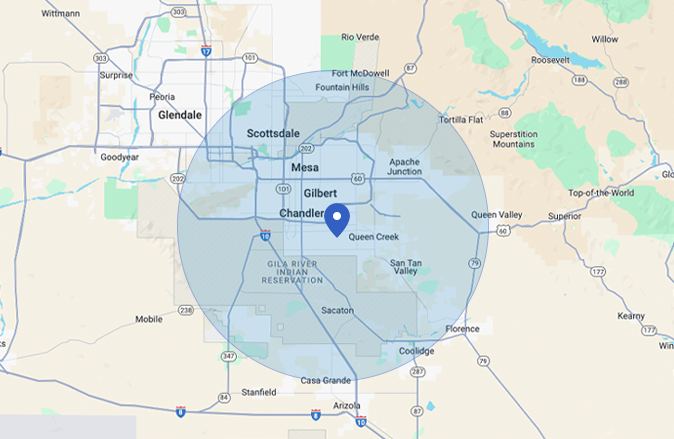
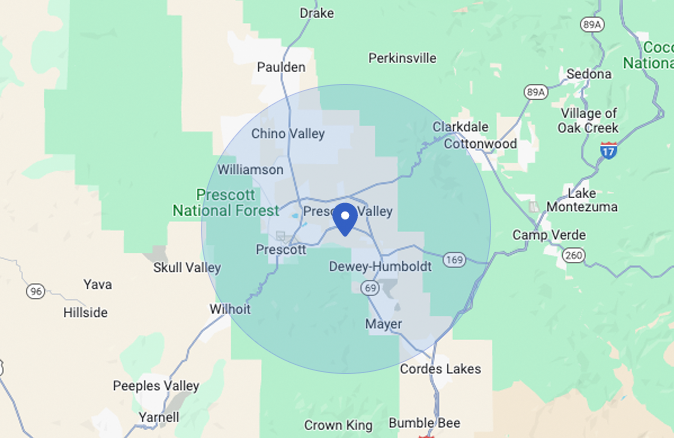
Fall is a good time to catch up on this maintenance. Wolfgangs serves Phoenix, Tempe, and Prescott Valley, and our plumbers in Phoenix, AZ handle water heater maintenance, repair, and replacement throughout the Valley.
Why Sediment Builds Up Faster in Phoenix Water Heaters
Phoenix gets municipal water from sources that include the Central Arizona Project and Salt River Project. That water carries dissolved minerals. Each time your water heater fills and heats, some of those minerals settle at the bottom of the tank.
Over time, sediment builds into a layer at the bottom of the water heater. Phoenix's hard water makes that buildup an important part of local water heater maintenance.
Flushing drains sediment from the tank before the layer becomes heavier and harder to remove.
What Skipping a Flush Actually Costs You
Skipping maintenance does not show up as one charge. The expense can increase when sediment interferes with heating, contributes to component problems, or becomes one factor in a water heater that eventually needs repair or replacement.
- Routine flush: Removes accumulated sediment before it creates a larger problem.
- Repair: Adds labor and parts after a component has failed.
- Replacement: Includes new equipment, removal of the old water heater, and installation when the existing unit is no longer serviceable.
If sediment has already contributed to a heating problem, water heater repair starts with finding what has failed rather than assuming a flush will correct it.
Efficiency Loss and Higher Energy Bills
Sediment collecting at the bottom of the tank interferes with normal heat transfer, especially as the layer gets heavier. The water heater runs longer to bring the tank back to temperature.
Longer heating cycles can increase energy use when sediment is interfering with normal heat transfer. A flush does not guarantee a specific reduction in your utility bill, but removing sediment keeps buildup from interfering with normal heating.
Premature Tank Failure
Heavy sediment interferes with normal heating and leaves deposits sitting against the bottom of the tank. Popping and rumbling noises are common signs of water and steam moving through sediment while the unit heats.
A flush does not reverse tank damage that has already occurred. If the tank itself is leaking or badly deteriorated, water heater replacement addresses a problem maintenance can’t fix.
Why Fall Is the Right Time to Flush Your Water Heater
Fall gives Phoenix homeowners a convenient maintenance window after summer and before holiday visitors and cooler weather change household hot water use.
It is a good time to check other basics around the water heater too. Look for moisture around the tank, listen for new noises during a heating cycle, and make sure the area around the equipment stays clear.
If the tank has not been serviced recently, check the manufacturer's maintenance instructions and get back on schedule.
Signs Your Water Heater Is Overdue for a Flush
Your water heater does not need to fail before sediment gets your attention. Look for:
- Popping or rumbling while the burner or heating elements are running
- Hot water taking longer to recover after use
- Water that does not stay as hot as expected
- Visible sediment when water is drained from the tank
- No record of recent flushing or maintenance
These symptoms do not prove sediment is the only problem. A technician checks the tank and heating components before deciding if flushing, repair, or another service is needed.
Schedule Your Fall Water Heater Flush Today
Wolfgangs works on water heaters throughout Phoenix, Tempe, Prescott Valley, and surrounding Arizona communities. If your tank has gone without routine maintenance or has started making new noises, we will check its condition and determine what service it needs.
FAQ
How often should I flush my water heater?
Many Phoenix-area tank water heaters benefit from regular flushing because hard water contributes to mineral sediment buildup. Follow the manufacturer's maintenance guidance and adjust the schedule based on equipment type, water quality, and the amount of sediment found during service. Follow the maintenance instructions for your specific water heater and adjust the schedule based on the sediment found during service.
What happens if I never flush my water heater?
Sediment continues collecting at the bottom of the tank. Heavy buildup interferes with heat transfer, contributes to longer heating cycles, and adds wear to the tank and heating components.
How much does a water heater flush cost compared to replacement?
A flush covers routine maintenance. Replacement includes the new water heater, removal of the old unit, and installation, so it is a much larger job.
Can I flush my water heater myself?
Flushing requires shutting down the water heater correctly, working around hot water, draining the tank, refilling it, and restarting the equipment in the proper order. If the drain valve is stuck, leaking, or blocked with sediment, stop and have the water heater serviced.
Does Phoenix's hard water really make a difference?
Yes. Phoenix-area water contains dissolved minerals that settle out as water is repeatedly heated. Those minerals contribute to sediment buildup inside tank-style water heaters, which makes regular flushing especially relevant locally.