


If you have never had a water heater check and flush, you may be wondering what we actually do during the appointment. We start by inspecting the water heater, then work through the safety components, tank flush, and final checks before putting the unit back into operation.
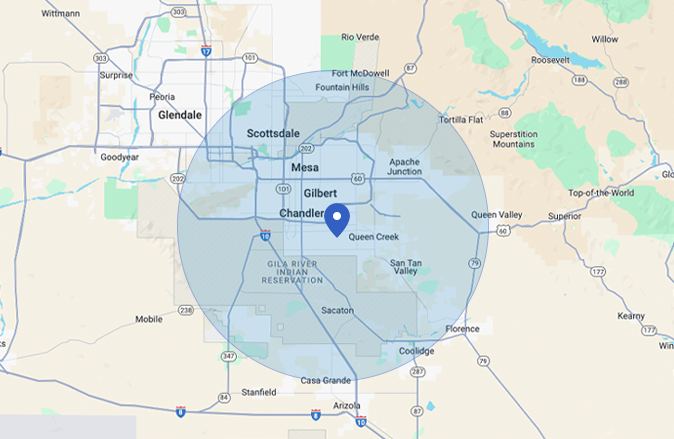
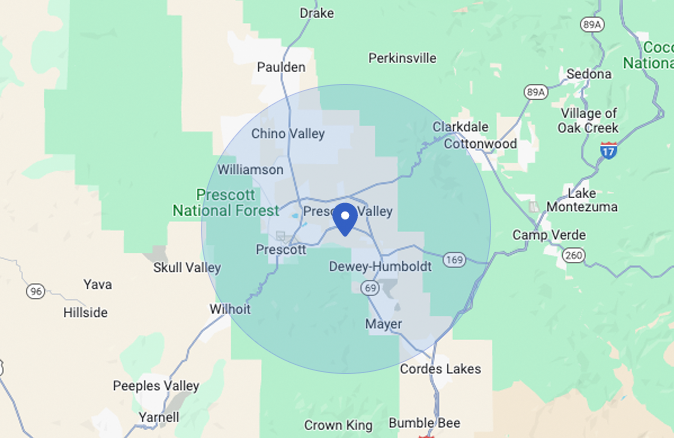
For Phoenix-area homes, flushing is an important part of water heater maintenance because minerals in the water can settle at the bottom of the tank. Here is what you can expect when a Wolfgangs technician comes to your home in Phoenix, Tempe, or Prescott Valley.
Step 1: Full System Inspection
Before we drain any water, we look over the tank and the equipment connected to it. We check for visible leaks, corrosion, damaged connections, and signs of trouble around the water heater.
On a gas water heater, we check the venting for problems that could interfere with safe operation. We also inspect the drain valve and accessible plumbing connections.
If we find a leak or damaged component that needs water heater repair, we explain what we found before moving forward.
Step 2: Testing the Temperature and Pressure (T&P) Relief Valve
The T&P relief valve releases water if temperature or pressure inside the tank reaches an unsafe level.
We inspect the valve, discharge pipe, and surrounding area for corrosion, leakage, or damage. The condition of the valve determines how we check it. On an older or badly corroded valve, manually opening it can cause it to leak afterward.
If the valve is damaged or not operating correctly, it needs to be repaired or replaced before the water heater goes back into normal use.
Step 3: Draining and Flushing the Water Heater Tank
We shut down the water heater and water supply using the procedure required for that equipment. A hose connected to the drain valve directs the tank water to a safe drainage point.
As the tank drains, sediment comes out with the water. We flush the tank to remove loose mineral deposits collected at the bottom.
Phoenix-area water contains dissolved minerals that can separate from the water as it is heated. Over time, those minerals collect inside the tank. Heavy buildup can harden, so an older tank may retain some deposits even after loose sediment has been flushed out.
Once the flush is complete, we close the drain and prepare the tank for refilling.
Step 4: Checking the Anode Rod
The anode rod inside many tank-style water heaters is designed to corrode before the steel tank does. As the rod wears away, less material remains to do that job.
When accessible and included in the maintenance procedure, we check its condition and how much material remains. A heavily worn rod may need replacement.
Some anode rods are difficult to remove because of the tank design, installation space, or corrosion, so removal is not automatically part of every flush.
Step 5: Refilling, Restarting, and Final Performance Check
After the flush, we refill the tank. An electric water heater must be full before power is restored. For gas equipment, we follow the restart procedure for that unit.
We check for leaks, make sure the water heater is heating again, and check temperature and pressure as needed before wrapping up.
How Long Does a Water Heater Check & Flush Take?
The time required depends on tank size, drain speed, sediment buildup, accessibility, and anything found during the inspection. A slow drain valve, heavy sediment, or a component that needs attention can extend the appointment.
Schedule Your Water Heater Check & Flush Today
If your water heater is due for a check and flush, Wolfgangs can inspect the equipment and remove loose sediment during the same visit.
If you need plumbers in Phoenix, AZ to check your water heater, schedule with Wolfgangs. We work with homeowners in Tempe and Prescott Valley too, and we will explain anything we find before additional work begins.
FAQ
How long does a water heater check & flush take?
Appointment length depends on tank size, drain speed, sediment buildup, accessibility, and whether the technician finds anything that needs additional attention. Heavy sediment, a slow drain, or a problem found during the inspection can extend the visit.
Do I need to be home during the appointment?
An adult should be available to provide access to the water heater and discuss anything found during the inspection. Ask Wolfgangs about access requirements when scheduling.
Will I have hot water during the service?
No. The water heater is shut down and drained during the flush. The tank will need time to heat the new water after it is refilled and restarted.
What if the technician finds a bigger problem during the check?
We will explain what we found and what needs to be repaired. You can review the repair before additional work is performed.
How often should I schedule this service?
Many tank water heaters benefit from a yearly inspection and flush where mineral buildup is a concern. Check the water heater manufacturer's maintenance instructions for the recommended schedule.