What You Need to Know About New HVAC System Cost in Arizona

If you live in Arizona, you know just how extreme the temperatures can get, from scorching summer highs to chilly desert nights. To stay comfortable year-round, having an efficient and reliable HVAC system is non-negotiable. But when it comes time to install a new one, you’re probably wondering: what’s the actual new HVAC system cost in Arizona?

In this guide, we’ll walk through average pricing, cost variables, efficiency standards, and what you need to consider before investing. By the end, you’ll be equipped to make an informed decision that fits your comfort needs, and your budget.

Understanding Efficiency Standards in Arizona

When shopping for a new HVAC system, efficiency should be a top priority. Arizona requires all new systems to meet a minimum SEER rating of 15 (Seasonal Energy Efficiency Ratio). This is especially important in a climate that puts HVAC systems to the test nearly year-round.

Additionally, many units must be ENERGY STAR® certified to qualify for federal tax credits, local utility rebates, and other incentives. Investing in an energy-efficient system might cost more upfront, but it typically reduces long-term utility expenses.

A knowledgeable HVAC contractor should help you choose a system that not only meets Arizona’s codes but also helps you capitalize on available incentives, ultimately helping reduce your total HVAC system cost over time.

Average New HVAC System Cost in Arizona

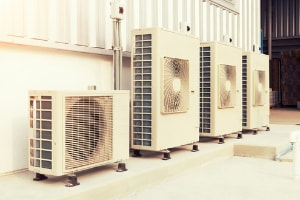
While exact pricing depends on your home and preferences, the average cost of a new HVAC system in Arizona ranges from $3,000 to $7,000. This includes both the air conditioning and heating components of a split system, which is the most common setup in the region.

Here’s a general breakdown of what influences pricing:

Homes with more square footage will require more powerful units, which naturally increases the cost. Similarly, advanced features like smart thermostats, variable-speed motors, and zoning capabilities will raise the price but improve long-term performance and comfort.

Key Factors That Impact Your HVAC Installation Cost

1. System Size

HVAC systems are not one-size-fits-all. Your contractor will perform a load calculation to determine the appropriate tonnage based on your home’s square footage, insulation, windows, and other variables. An undersized system may cost less initially but will under-perform and wear out faster. Conversely, an oversized unit can short-cycle, wasting energy and reducing comfort.

2. Type of System

There are several types of HVAC systems to choose from:

Each type has a different upfront cost and long-term maintenance profile that affects your total HVAC system cost.

3. Installation Complexity

Installation costs can vary widely depending on whether:

Quality installation is key, cutting corners may lower initial costs but often leads to inefficiency, discomfort, or repairs down the road.

4. Labor Rates and Permits

Licensed HVAC contractors charge based on experience, licensing, and demand in your area. Permits may be required by your local jurisdiction and will be included in the final quote.

Why the Right HVAC Contractor Matters

Finding a licensed, experienced contractor is crucial. An improperly installed unit can reduce efficiency by up to 30%, leading to higher utility bills and a shortened system lifespan.

A good contractor will:

At Wolfgangs, we pride ourselves on delivering high-quality HVAC installations that meet Arizona’s climate demands and efficiency codes.

The Long-Term Value of Investing in a New HVAC System

Although the new HVAC system cost may feel steep, consider it an investment in comfort, air quality, energy efficiency, and property value. With proper maintenance and a high-efficiency unit, most systems can last 15 to 20 years and pay for themselves over time through lower energy bills and fewer repairs.

Plus, installing a new system ahead of extreme weather seasons ensures you’re never left scrambling when your old unit breaks down.

Ready to Upgrade Your HVAC System? Contact Wolfgangs Today!

At Wolfgangs Cooling, Heating & Plumbing, we’re here to guide you through every step, from helping you compare system types to ensuring a smooth, code-compliant installation. We’ve been serving Arizona homeowners with trusted HVAC services for over 20 years.

Contact us today to schedule a consultation or get a quote tailored to your home and needs. Let’s make your home more comfortable, efficient, and future-ready.
Benefits of a Ductless HVAC System For Your Arizona Home

Have you ever considered installing a Ductless HVAC System in your home? Also known as a mini-split system, a ductless HVAC system offers a modern alternative to traditional forced-air systems by eliminating the need for ductwork. As energy efficiency and indoor air quality become higher priorities for homeowners in Arizona, more people are realizing the many advantages of a Ductless HVAC System. From cost savings to cleaner air, here are the top reasons why this option may be the best fit for your home.

1. Saves You Money

A key benefit of a Ductless HVAC System is its ability to lower monthly energy bills. Ductless systems are designed to operate more efficiently than traditional HVAC systems, and they use less energy to deliver the same (or even better) results.

According to the U.S. Department of Energy, Energy Star certified mini-split units use up to 60% less energy than conventional electric heating systems. That’s a significant reduction in energy use, translating to noticeable savings on your utility bills.

Additionally, you can install ductless units only in the areas of your home that need cooling or heating the most, avoiding energy waste in unused rooms.

2. Improves Indoor Air Quality

Your air ducts collect dust, debris, mold, and pet dander over time, especially if they’re not regularly cleaned. That buildup is then circulated through your home whenever the HVAC system runs.

One of the major advantages of a Ductless HVAC System is that it bypasses ductwork altogether. Without ducts, there’s no opportunity for allergens and pollutants to collect and recirculate, which helps improve your indoor air quality. Most ductless systems also come with advanced multi-stage filtration features, giving you even cleaner, fresher air throughout your home.

3. Takes Up Less Room

Ductless HVAC systems are compact and flexible in terms of placement. Instead of taking up closet space or requiring large vents and duct chases, mini-split units can be mounted high on walls, suspended from ceilings, or even recessed for a more discreet appearance.

This is a big benefit of ductless HVAC systems for smaller homes, apartments, and older properties where space is at a premium, or where installing new duct-work would be too invasive or expensive. The sleek, modern design of ductless units helps them blend in with your interior, preserving your home’s aesthetics.

4. Gives You More Control Over Comfort

Tired of the family thermostat wars? Another significant advantage of ductless HVAC systems is the ability to create “zoned” comfort. Each indoor unit operates independently, allowing you to heat or cool specific rooms to your preference without affecting the rest of the house.

This means each family member can set the temperature to their liking in their own space. Zoning also helps reduce energy waste by conditioning only the areas that are in use.

5. Increases Energy Efficiency

Energy efficiency is one of the main reasons homeowners are switching to ductless systems. Traditional systems often lose energy through leaky ductwork up to 30% of airflow can be lost in ducts alone.

Ductless HVAC systems don’t have this problem. They also utilize inverter-driven compressors that adjust the speed of the unit in real-time based on demand, rather than cycling on and off like older systems. This constant modulation keeps your home at a consistent temperature while using less energy.

6. Quick and Easy Installation

Installing a traditional HVAC system with ductwork can take several days or even weeks, depending on your home’s layout. In contrast, ductless HVAC systems can be installed quickly sometimes in as little as one day since they require only a small hole to connect the indoor and outdoor units.

This is a benefit of ductless HVAC systems that makes them a convenient solution for new additions, detached garages, renovated attics, or any area of the home without existing ductwork.

7. Reduces Maintenance Needs

Ductless HVAC systems are known for their low-maintenance design. While regular cleaning and filter replacements are still necessary, the absence of ductwork eliminates the need for duct cleaning and maintenance. Most homeowners find that their ductless HVAC system requires fewer service calls and lasts longer than traditional systems when properly maintained.

Ready to Reap the Benefits of a Ductless HVAC System?

If you're ready to explore whether a ductless HVAC system is right for your home, the experts at Wolfgangs Cooling, Heating & Plumbing are here to help. We've been providing top-tier HVAC solutions in Tempe, AZ and surrounding areas since 1982.

From initial consultation to installation, we’re committed to helping you maximize your comfort and energy savings. Contact us today to schedule your free estimate and find out more about the many benefits of a Ductless HVAC System.

Air Conditioning Repair Tips to Borrow From the Pros

Air conditioning repair tips are essential for homeowners in Arizona, where cooling systems endure some of the harshest conditions year-round. With sweltering summers, chilly winters, and monsoon season dust storms, it's no wonder HVAC systems experience significant wear and tear. Fortunately, by applying a few pro-level tips, you can help your system run more efficiently, extend its lifespan, and avoid unexpected breakdowns.

In this guide, we'll walk you through the most effective maintenance and repair tips, straight from the HVAC professionals at Wolfgang's Cooling, Heating & Plumbing.

1. Start With Your Thermostat

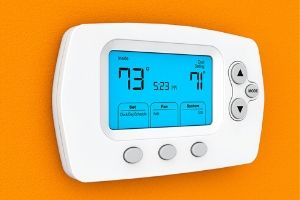
One of the most common air conditioning problems isn't the unit itself, it's the thermostat. If your system isn't turning on or isn't cooling the way it should, check to make sure your thermostat is:

Sometimes a malfunctioning thermostat can overcool your home, causing your AC unit to work harder than it needs to. If your system runs constantly or not at all, double-check thermostat settings before calling in a pro.

thermostats

2. Replace Your Air Filters Frequently

One of the simplest and most effective air conditioning repair tips is to change your air filters regularly. Dirty or clogged filters reduce airflow, strain your AC, and worsen your indoor air quality.

How often should you change filters?

Clean filters keep your system running efficiently and help prevent major issues down the line.

3. Clean the Condenser Coils and Outdoor Unit

Dust and debris can build up on the outdoor condenser coils and block airflow, forcing your unit to work harder and increasing your energy bills. Each spring, follow these steps to keep your unit clean:

  • Turn off power to the unit
  • Remove the fan cover and debris inside
  • Gently clean the coils and fins with a garden hose (spray inside out)
  • Let the system dry before restoring power

Doing this simple maintenance can drastically improve performance and efficiency.

clean system

4. Check and Clear the Drain Line

Your AC unit removes moisture from the air, which drains through a condensate line. Over time, this line can clog with algae or mold, causing leaks or water damage.

To avoid issues:

  • Pour a cup of vinegar or hot water with mild soap down the drain line every few months
  • Use a wet/dry vacuum to suction clogs from the outdoor end

Keeping the line clear can prevent serious system damage.

5. Inspect for Refrigerant Leaks or Unusual Smells

If your air smells chemically or if cooling performance drops, you might have a refrigerant leak. Other signs include:

  • Ice on the refrigerant lines
  • Hissing or bubbling noises
  • Warm air coming from vents

Refrigerant issues must be handled by licensed HVAC technicians. If you suspect a leak, call Wolfgang's immediately to avoid damaging your compressor.

6. Listen for Strange Noises

Your AC unit should operate quietly. If you hear buzzing, grinding, squealing, or rattling, it's a red flag. Possible causes include:

  • Loose fan blades or motor parts
  • Failing capacitors
  • Worn bearings

Addressing strange noises early can prevent more expensive AC repairs down the road.

7. Schedule Preventative Maintenance Twice a Year

One of the best air conditioning repair tips professionals emphasize is preventative maintenance. Scheduling a tune-up in the spring and fall ensures your unit is in top shape before extreme weather hits.

During a routine visit, our technicians will:

  • Inspect electrical components
  • Test refrigerant levels
  • Check system pressure
  • Lubricate moving parts
  • Clean coils and drains

This proactive approach can extend your unit's life and boost energy efficiency.

Learn more: What is a SEER Rating? AC Efficiency Guide

8. Don’t Ignore the Ductwork

Your ducts carry cooled air throughout your home. Leaky, dirty, or uninsulated ducts can:

  • Cause uneven cooling
  • Increase energy costs
  • Introduce allergens into your air

Have your ductwork professionally inspected and cleaned every 3-5 years, or sooner if you notice dust buildup or uneven cooling.

9. Know When to Call the Pros

While some air conditioning repair tips are DIY-friendly, others require professional expertise. If you're dealing with persistent issues, electrical concerns, or anything that seems beyond a simple fix, call in the experts.

At Wolfgang's Cooling, Heating & Plumbing, our team has served the Phoenix area for over 40 years. We provide honest service, transparent pricing, and skilled repairs for every type of AC system.

10. Stay Consistent with Seasonal Care

Your AC needs attention in all seasons:

  • Spring: Clean and inspect the system before summer heat
  • Summer: Check filters and monitor performance
  • Fall: Clean coils and schedule tune-ups
  • Winter: Cover the outdoor unit and turn off power if unused

Staying consistent with seasonal care keeps your system efficient and reliable.

Stay Cool and In Control With Wolfgang’s Expert Care

Implementing these air conditioning repair tips can go a long way in maintaining your unit’s efficiency and avoiding costly emergencies. With routine care and professional support from Wolfgang’s Cooling, Heating & Plumbing, your AC will be ready to handle even the hottest Arizona summers.

Need help with your air conditioning system? Call Wolfgang’s today to schedule your service or preventative maintenance appointment.

Choosing the Golden Egg Standard for Your HVAC Needs

Do you remember Easter as a child? It’s so much fun seeing what the Easter bunny brought. Chances are that you also remember participating in egg hunts and maybe going to visit the Easter Bunny at the mall.

Now that you are older, you may have your own children who are enjoying egg hunts. These are really easy. Unfortunately, not everything in life is this easy, especially finding the right HVAC company that you can trust in.

But if you are looking for a trustworthy HVAC company, your look is over. With the right research and ideal benefits, you can find your golden egg standard among heating and air conditioning contractors.

Professional Technicians are Key

Think back to when you were going on an Easter egg hunt as a child. Most of the eggs were plastic. But when you found a golden egg, you knew that you had something special.

A lot of HVAC companies hire technicians who are simply plastic and ordinary. But our technicians are like that golden egg – something special. Below are some of the things that set our technicians apart:

Long Lasting Products and Service

longlastingservicesWhen you choose Wolfgang’s, you are going to receive the best service and products available.
They stand behind their work, and they provide you with the highest quality service available. Sure, you might go someplace else and pay less.

However, you get what you pay for. Not only can it be very messy, but it also can create more issues in your HVAC system down the line, which can cost you more money. Each of the technicians has been certified to provide the highest quality service for their customers.

24/7 Emergency HVAC Services

emergencyservicesWhen the heater or the air conditioning goes out, the last thing that you want to do is to spend more time in a hot or cold house than necessary.

That’s why Wolfgang’s only employs the best technicians in the industry. They’re not just knowledgeable but they provide you with great customer service, they’re on time and they stand behind their work.

They promise to always leave you better than they found you. They have the knowledge and experience to tackle even your biggest jobs. Even if you don’t celebrate Easter, make sure that you are enjoying the day.

Wolfgang’s Cooling & Heating wants to make sure that you are having a great time and you’re comfortable in your house. That’s why they do everything we can to ensure that no matter what time of day it is, you are going to have a home that you and your family can be comfortable and healthy in.

Do you have problems with your indoor air quality? Are you having issues with lots of colds and allergies? Contact Wolfgang's Cooling & Heating in Tempe, Arizona. They will be happy to help you to have a healthy home for you and your family.

HVAC Tips: Transitioning from Winter to Summer

Looking for the best hvac tips for a smooth transition from winter to summer? Here in the south, we know how to deal with heat, and we know how to deal with the cold. While this time of year the temperatures are lower, we're always prepared for them to rise again within a few weeks. And, hey! Earlier this month we had good news that spring will be here before we know it!

The best way to prepare for the changing seasons and changing temperatures is to make sure your home has a working HVAC system. Getting your heater and AC in order will help you stay comfortable from February, all the way through the spring and summer.

Central HVAC is a Necessity

centralhvac

Let’s start with centralizing your HVAC systems. We know that during this time of year, temperatures can vary dramatically from one day to the next. That usually means you’re adjusting the temperature of your home frequently to stay comfortable.

Central HVAC is a convenience every homeowner should enjoy because it keeps the temperature in your home consistent across all rooms, not just in the living room or bedroom. We’ve all felt that awkward transition when walking from one part of the house that feels just right into a room that’s way too hot or freezing cold. It’s not a pleasant experience.

A centralized HVAC system helps you avoid those uncomfortable changes in temperature by allowing you to control the entire home’s climate from a single, central location.

Get The Best Heating Services in The East Valley

heatingservices

HVAC Tips: The last thing you want after a nice, relaxing three-day weekend like Presidents' Day is to realize your heater isn’t working correctly.

Unfortunately, your heater doesn’t care if you freeze without it, it’ll just stop working without warning. That’s why one of our top HVAC tips is to schedule seasonal maintenance before extreme temperatures hit. When things go wrong, you need a reliable HVAC company like Wolfgang’s Cooling & Heating!

We care about your comfort year-round, so we’re always ready with top-of-the-line heating services, even on the most inconvenient days. And you don’t have to worry about getting stuck in the middle of summer without AC either, we’ve got exceptional AC services ready when you need them most.

Learn more: 7 Heating Safety Tips To Make Valentine's Day Even Cozier

Keep Your Air Clean by Changing Your AC Filter

acfilterThere’s even something you can do yourself to help keep your HVAC systems running efficiently.


Make sure to change your AC filter at least every 90 days, or every 30 days in the spring or if you are doing construction in or around your house.

Changing your AC filter not only keeps things like dust, pollen, dirt, dander, and more out of your air, but it also helps your HVAC unit stay cleaner and therefore more efficient. Now you know how you can partner with Wolfgang's Cooling & Heating to keep your home comfortable throughout the President's Day weekend and all the seasons ahead.

So now, make sure to give us a call to schedule an appointment! Call (928) 766-0872any time to speak with a highly trained HVAC technician in the Tempe, AZ about getting your HVAC system in working order! For more hvac tips visit our blog.

How to Become an HVAC Technician

Are you looking for a hands-on career that takes a high amount of skill? Have you always wanted to help people? Becoming an HVAC technician is the ideal combination of the two. It requires extensive knowledge that’s always in demand, with the skills still needed to provide top-quality customer service.

In the end, you provide a service that keeps people happy and safe in their homes. With a dwindling skilled labor force, it’s becoming more important than ever for new technicians to hit the market.

Whether you choose to work with another company, open your own business, or do a little of both, you can find a lucrative career that’s both rewarding and fun. If you’ve always wanted to know what it takes to get into the heating and cooling industry, read on to learn more.

Becoming an HVAC Technician

techniciansteps

Once you graduate from high school or receive your GED, you can enroll in an accredited HVAC program. Generally, these programs are in a technical institution that specializes in skilled labor.

Compared to a Bachelor’s degree that you might pursue in four years, you might be asking “How long is HVAC schooling?”

The amount of time you need to spend in an HVAC training program can vary in length depending on the school you attend. More often than not, you can get the training you need within a 6-month two 2-year program. Some certification programs might require an extended amount of time and an apprenticeship to mold your knowledge and skills. It’s a good idea to get information as to whether or not on-the-job training is provided.

In many cases, an internship is needed before you can achieve full certification and begin your career as an HVAC technician. Once your training is done, you will also need to have some apprenticeship time completed along with testing for full certification.

Depending on your state and city, additional certifications may be needed to work in that area. For HVAC technicians looking for even more accreditation, you can also become certified at the state and countrywide level for additional opportunities.

What do HVAC Repairs Entail?

After finishing your heating, air conditioning, and refrigeration training and certifications, you’ll be able to start working as an HVAC technician. You might be wondering what will you be doing on the job. Some of the basic duties that any HVAC technician will have daily include:

More often than not, your duties will greatly depend on the company you work for or if you decide to work as an independent contractor. In certain areas, some companies only offer installation and repair services.

This is where brand certification matters, as it ensures that you have the expertise to work with specific models. Additionally, you should always have a generally analytical mind, to help you diagnose customer issues.

Breaking Down The HVAC Installation Process

Installing an HVAC system is a meticulous process that requires careful planning, technical expertise, and a keen understanding of the space's heating, ventilation, and air conditioning needs. Here's a step-by-step breakdown of what goes into an HVAC system installation:

  1. Site Assessment and Planning: Before any installation takes place, a thorough assessment of the site is crucial. This involves evaluating factors such as the layout of the space, insulation, existing ductwork, and any unique considerations. From these findings, a detailed plan is developed to guide the installation process.
  2. Ductwork Design and Installation: Properly designed ductwork is essential for efficient airflow throughout the space. This step involves calculating the necessary duct sizes, configuring the layout, and ensuring that all components meet industry standards. The ductwork is then installed to optimize air distribution.
  3. Electrical Wiring and Connections: HVAC systems require precise electrical connections to function safely and effectively. This includes wiring the thermostat, connecting power sources, and integrating any control panels or smart technology that may be part of the system.
  4. Refrigerant Handling (for cooling systems): If the HVAC system includes a cooling component, handling and charging the refrigerant is a critical step. Technicians must ensure that refrigerant levels are accurate and that there are no leaks in the system.
  5. Testing and Balancing: Once all components are in place, rigorous testing is conducted to verify that the system operates as intended. This includes checking for proper airflow, temperature differentials, and system responsiveness to adjustments.
  6. Insulation and Sealing: Proper insulation is vital for maintaining energy efficiency. Technicians must ensure that all components, including ductwork, are adequately insulated, and any potential air leaks are sealed.
  7. Startup and Commissioning: During startup, the system is activated, and technicians monitor its performance to verify that all functions operate smoothly. Commissioning involves fine-tuning settings to maximize efficiency and comfort.
  8. Client Orientation and Documentation: Before concluding the installation, technicians provide clients with an overview of the system's operation, including how to use thermostats and any maintenance recommendations. Comprehensive documentation is also provided for future reference.
  9. Follow-Up and Support: Post-installation, technicians may offer follow-up visits to ensure the system continues to operate optimally. They may also provide ongoing support and maintenance services as needed.

Remember, the specifics of an HVAC installation can vary depending on factors such as system type, building layout, and local regulations. Therefore, technicians must adapt their approach to suit each unique installation scenario.

The HVAC Tools of The Trade

As any mechanic can tell you, your tools grow the more you work on the job. As a general base level of tools, new HVAC technicians should always have pliers, drills, screwdrivers, stud finders, and safety equipment like goggles and gloves.

Once you get into the more complex services, you’ll run into welding equipment and electrical services. The benefit of an apprenticeship is more often than not, your tools are provided by your mentor. Most companies provide fully stocked trucks to their employees, with all the tools needed to offer a top-quality job.

Your Education Always Continues

Because the industry changes and evolves yearly, you should be comfortable with continuing your education.

Most HVAC professionals need to undergo testing and coursework to keep their licenses in good standing.

Additionally, individual vendors may also require training on specific heating and air conditioning models. As any HVAC technician will tell you, an important attribute for any new tech is a willingness to learn.

Entering the HVAC industry is a noble and exciting opportunity. Whether you’ve always wanted to do it, have some interest, or are looking for new adventures, be sure to share this blog with your friends who are interested in becoming an HVAC technician and get started today.


Think You’ve Found a Reputable HVAC Company?

Do you need heating or cooling repairs and think you’ve found the best HVAC company in Tempe, AZ? If so, how much do you really know about them and the services they offer? Now, you may be thinking to yourself, “I thought choosing a reputable HVAC service company was a no-brainer, but how can I find the best HVAC technicians near me?”

Finding the right heating and cooling technician for you can be simple, if you just do your research, ask the right questions, and always read customer reviews.

Have You Done Your Research?

hvacserviceareaBefore hiring an HVAC company, it's important that you do some research on the company, the types of services they offer, the service areas they cover, their licensing, etc. If you have not looked into each of these things carefully, you may be missing out on some crucial information about your HVAC company.

First things first, it's important to know specific information about your heating or AC unit, like the brand, model, and maintenance history, to know if the company you've chosen can ever perform the services you need. It's also important to see if they can even provide service in the city or are where you live.

Another important bit of information is whether your technician is licensed to perform the repairs or other services you need and that liability insurance and workers compensation coverage protect them. Working with an HVAC company that is not insured means that you are in danger of being held responsible in the event that someone gets hurt while working in your home.

Did You Ask The Right Kinds of Questions?

hvacservicesIf you’re not asking your HVAC technician specific questions about their services, experience and qualification, and pricing, then you’re not getting the full story on your chosen HVAC company.

When you hire an HVAC company, you should always ask what the process for the particular service you’re paying for is like. Not sure what other kinds of questions you should ask?

Start by asking about anything you don’t understand, and don’t be afraid to ask something you think is a “dumb question.” It’s safer to ask now and know what you’re getting into than not to ask and not get what you need from your technician.

What Are Their Customers Saying About Them?

hvacchooseusOne of the best resources you have for finding the best HVAC company in your area is the reviews section of their website. Reviews allow you more insight into how well the technicians work with the customers, as well as the quality and pricing of their services.

It's always important to "shop around" when it comes to looking for an HVAC technician because you want to make sure you're not letting just anyone into your home to work on your system.

Before paying for any HVAC service, make sure you have looked into a few different companies and compared the services, pricing, and customer reviews of each one. Now, are you still confident in the HVAC company you’ve chosen, or is it time to do some more research, ask some more questions, and look into more options?